Posted on Feb 23, 2026
Image Credit:
Image Credit:
File ID 68859039 | © Designua | Dreamstime.com
Bleeding gums are often mistakenly viewed as a minor issue, especially if they occur during brushing or flossing. In reality, bleeding is the body’s way of signaling that something is wrong. Healthy gums should not bleed under normal care routines. Patients who visit a Windsor dentist frequently learn that bleeding gums are an early indicator of inflammation and infection that should be addressed promptly. Ignoring this symptom can allow minor concerns to progress into more serious oral health problems.
The most common cause of bleeding gums is plaque buildup along the gumline. Plaque contains bacteria that irritate gum tissue, leading to inflammation and bleeding. Other contributing factors may include poor brushing technique, inconsistent flossing, hormonal changes, or certain medications. Left untreated, plaque hardens into tartar, which cannot be removed at home. Regular care at a Windsor dental clinic helps prevent these issues through professional cleaning and early intervention.
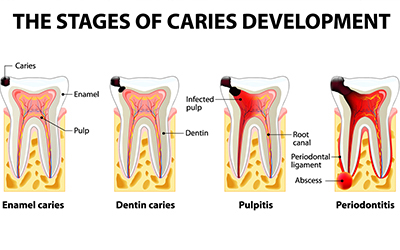
Bleeding gums are often an early sign of gum disease, also known as periodontal disease. In its initial stage, gingivitis, gums may appear red, swollen, and bleed easily. At this stage, the condition is often reversible with proper care. However, if it progresses, periodontal disease can damage the bone and tissues that support the teeth, potentially leading to tooth loss. A Windsor dentist evaluates gum health carefully to detect and manage these conditions before permanent damage occurs.
Many patients delay seeking care because bleeding is painless or intermittent. Unfortunately, the absence of pain does not indicate the absence of disease. Bleeding gums may signal deeper issues that affect not only the mouth but overall health. Research has linked advanced periodontal disease to systemic conditions such as heart disease and diabetes. This connection highlights why oral health plays an important role in overall wellness and why bleeding gums deserve professional attention.
Advancements in modern dentistry allow dental providers to diagnose and treat gum conditions with greater precision and comfort than ever before. Digital imaging, periodontal measurements, and targeted therapies help identify problems early and customize treatment plans. Patients receiving care through modern dentistry benefit from minimally invasive techniques and education that support long-term gum health. These approaches emphasize prevention rather than reaction.
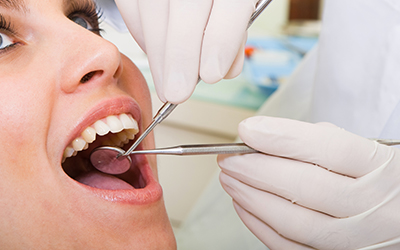
When a patient reports bleeding gums, a dental evaluation typically includes a thorough examination of the gums, teeth, and supporting structures. Dentists assess inflammation, pocket depth, and plaque accumulation to determine the underlying cause. Based on findings, treatment recommendations may include:
Care provided at a Windsor dental clinic focuses on addressing the cause of bleeding rather than masking symptoms.
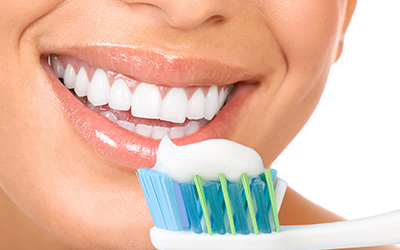
While professional care is essential, daily habits play a significant role in gum health. Consistent brushing with proper technique, daily flossing, and a balanced diet all support healthy gums. Patients are often surprised to learn that aggressive brushing can worsen bleeding by damaging delicate gum tissue. Guidance from a dental professional helps patients refine their routines as part of a broader preventive dentistry approach.
Addressing bleeding gums early can prevent more complex and costly treatments in the future. Healthy gums provide a strong foundation for teeth and contribute to comfort, confidence, and function. Patients who partner with a Windsor dentist and maintain regular visits benefit from early detection and proactive care. Through patient education and the tools of modern dentistry, bleeding gums can be treated effectively, protecting both oral and overall health for years to come.
We don’t only care about your smile, We care about you! Follow us on our blog to review trending topic and resources for oral care.




Cookie Preferences | Cookie Consent | Privacy Policy | HIPAA Privacy Policy
Nothing contained on or offered by or through this website should be construed as medical advice and should not be relied upon for medical diagnosis or treatment. By accessing this website you understand and agree to communication by phone, voicemail, email or text.

© Copyright 2022-2026. All Rights Reserved.
Medical & Dental Websites | Healthcare Marketing