Posted on Feb 9, 2026
Image Credit:
Image Credit:
File ID 30885342 | © Ocskay Mark | Dreamstime.com
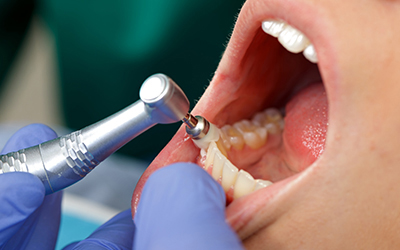
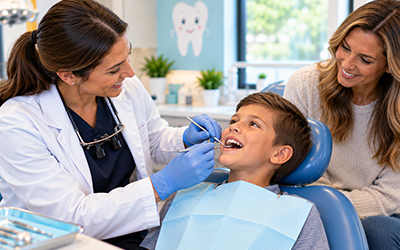
A comprehensive oral exam is a detailed evaluation designed to assess the overall health of the mouth, teeth, and surrounding structures. Unlike a routine checkup focused on immediate concerns, this exam provides a complete picture of oral health and helps identify issues before they progress. Patients visiting a Windsor dentist often learn that these exams are an essential part of preventive care, supporting both comfort and long-term wellness. The process reflects the principles of modern dentistry, which emphasize early detection and patient education.
The exam typically begins with a review of dental and medical history. Dentists consider current medications, past procedures, and any changes in health that could affect oral conditions. This information helps guide decisions about treatment and monitoring. A thorough history allows providers at a Windsor dental clinic to personalize care while reducing the risk of complications related to systemic health conditions.
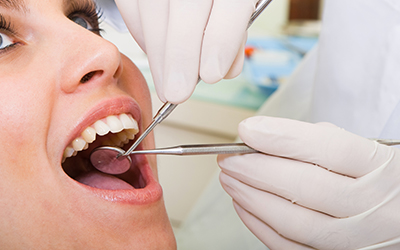
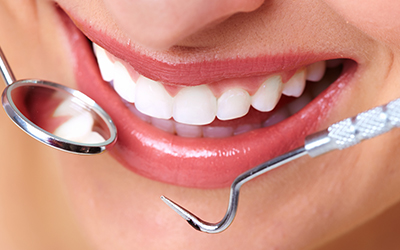
A close inspection of the teeth is a core component of the oral exam. Dentists check for cavities, cracks, wear, and signs of damage to fillings, crowns, or other restorations. Even minor issues can be addressed early when detected during a comprehensive evaluation. This proactive approach reflects the goals of modern dentistry, helping patients avoid more extensive procedures later.
Healthy gums and underlying bone are essential for maintaining strong teeth. During the exam, dentists assess the color, firmness, and attachment of the gums, looking for signs of gum disease such as inflammation or recession. Periodontal measurements may be taken to evaluate bone support around the teeth. Early detection allows for timely intervention, supporting long-term oral health and stability.
How the teeth come together affects comfort, chewing efficiency, and wear patterns. Dentists evaluate bite alignment and jaw movement to identify issues such as uneven contact or jaw strain. Bite concerns can contribute to headaches, tooth damage, or joint discomfort if left untreated. Patients working with a Windsor dentist often appreciate how these evaluations support both function and comfort.
Comprehensive oral exams also include evaluation of the tongue, cheeks, lips, and throat. Dentists look for abnormalities such as sores, discoloration, or swelling that may indicate irritation or more serious conditions. Oral cancer screening is a critical part of this process, as early detection significantly improves outcomes. Providers at a Windsor dental clinic integrate these screenings into routine care to support overall health.
When appropriate, dentists may recommend dental X-rays to gain insight into areas not visible during a visual exam. Imaging helps detect cavities between teeth, bone loss, impacted teeth, or infections below the surface. These tools enhance diagnostic accuracy and are a key component of modern dentistry, allowing for precise and efficient treatment planning.
A comprehensive oral exam is not only about identifying problems but also about planning for the future. Based on findings, dentists may recommend preventive strategies or follow-up care tailored to individual needs. These recommendations often include:
This collaborative approach empowers patients to take an active role in their care.
Understanding what happens during a comprehensive oral exam helps patients feel more comfortable and informed. Regular evaluations support early intervention, reduced treatment costs, and better long-term outcomes. By combining careful assessment with patient education, modern dentistry ensures that comprehensive exams remain a cornerstone of effective dental care. Whether establishing care or maintaining oral health, patients benefit from the thorough attention provided during these evaluations at a trusted Windsor dental clinic.
We don’t only care about your smile, We care about you! Follow us on our blog to review trending topic and resources for oral care.



Cookie Preferences | Cookie Consent | Privacy Policy | HIPAA Privacy Policy
Nothing contained on or offered by or through this website should be construed as medical advice and should not be relied upon for medical diagnosis or treatment. By accessing this website you understand and agree to communication by phone, voicemail, email or text.

© Copyright 2022-2026. All Rights Reserved.
Medical & Dental Websites | Healthcare Marketing