Posted on Jul 27, 2026
Image Credit:
Image Credit:
File ID 54486154 | © Nenitorx | Dreamstime.com
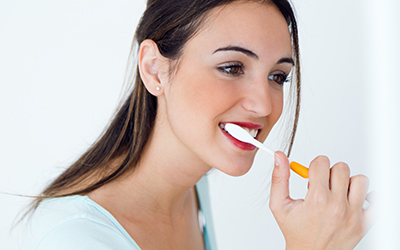
Many medications improve quality of life by treating chronic health conditions, managing pain, or controlling allergies. However, some prescription and over-the-counter medications may also affect your oral health. Changes in saliva production, gum tissue, and the body's ability to heal can increase the risk of cavities, gum disease, and other dental concerns. Understanding these potential side effects allows you to take proactive steps to protect your smile while continuing necessary medical treatment.
Saliva does much more than keep your mouth comfortable. It helps wash away food particles, neutralize acids produced by bacteria, and deliver minerals that strengthen tooth enamel. When medications reduce saliva production, the mouth becomes more vulnerable to dental problems.
Dry mouth, also called xerostomia, is a common side effect of hundreds of medications, including some used to treat allergies, depression, anxiety, high blood pressure, and overactive bladder. According to the American Dental Association, reduced saliva significantly increases the risk of tooth decay and other oral health complications.
Regular visits to a Windsor dentist can help identify signs of dry mouth before they lead to more serious concerns.
Some medications may also influence the condition of your gums. Certain drugs can contribute to gum overgrowth, making it more difficult to clean around the teeth and increasing the likelihood of plaque buildup. Others may affect the body's healing response, which is especially important after dental procedures.
Examples of medication-related oral changes include:
Sharing your complete medication list with your dental team helps them tailor your care to your individual needs.
When saliva production decreases, bacteria and acids remain on the teeth longer. This creates an environment where cavities can develop more easily, particularly around existing dental work or along the gumline.
Patients searching for the best dentist near me often discover that medication-related dry mouth may be contributing to recurring cavities despite maintaining good brushing habits. Routine dental exams and professional cleanings allow dental providers to detect these areas early and recommend preventive strategies.
A trusted Windsor dental clinic can also provide personalized recommendations to help protect enamel and reduce cavity risk.
Although you should never stop taking a prescribed medication without consulting your physician, there are several ways to reduce its impact on your oral health.
Helpful strategies include:
These habits support healthy teeth and gums while helping counteract some of the oral side effects associated with medications.
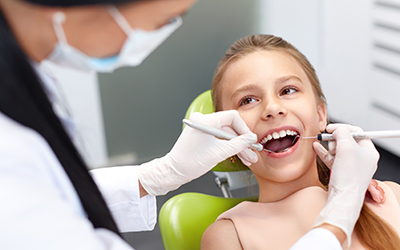
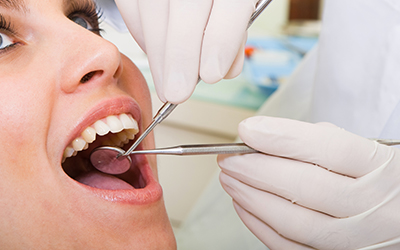
Routine dental appointments become even more important when you take medications that may affect your oral health. During each visit, your dental team can evaluate your teeth, gums, and soft tissues for early signs of medication-related changes.
An experienced Windsor dentist may recommend more frequent cleanings, additional fluoride treatments, or other preventive measures based on your individual risk factors. Early intervention often helps prevent minor concerns from progressing into more complex dental problems.
If you experience persistent dry mouth, sore gums, or other unusual oral symptoms, scheduling an evaluation at a Windsor dental clinic is an important step toward protecting your smile.
Medications are often an essential part of maintaining overall health, but they can also influence the condition of your teeth and gums. By understanding these potential side effects and maintaining consistent preventive care, you can significantly reduce the risk of dental complications.
Whether you are looking for a trusted Windsor dentist, searching online for the best dentist near me, or visiting a reliable Windsor dental clinic, regular dental care combined with open communication about your medications helps protect your oral health for years to come. Working together with your dental and medical providers ensures you receive the care needed to maintain both a healthy smile and overall well-being.
Sources:
We don’t only care about your smile, We care about you! Follow us on our blog to review trending topic and resources for oral care.


Cookie Preferences | Cookie Consent | Privacy Policy | HIPAA Privacy Policy
Nothing contained on or offered by or through this website should be construed as medical advice and should not be relied upon for medical diagnosis or treatment. By accessing this website you understand and agree to communication by phone, voicemail, email or text.

© Copyright 2022-2026. All Rights Reserved.
Medical & Dental Websites | Healthcare Marketing